
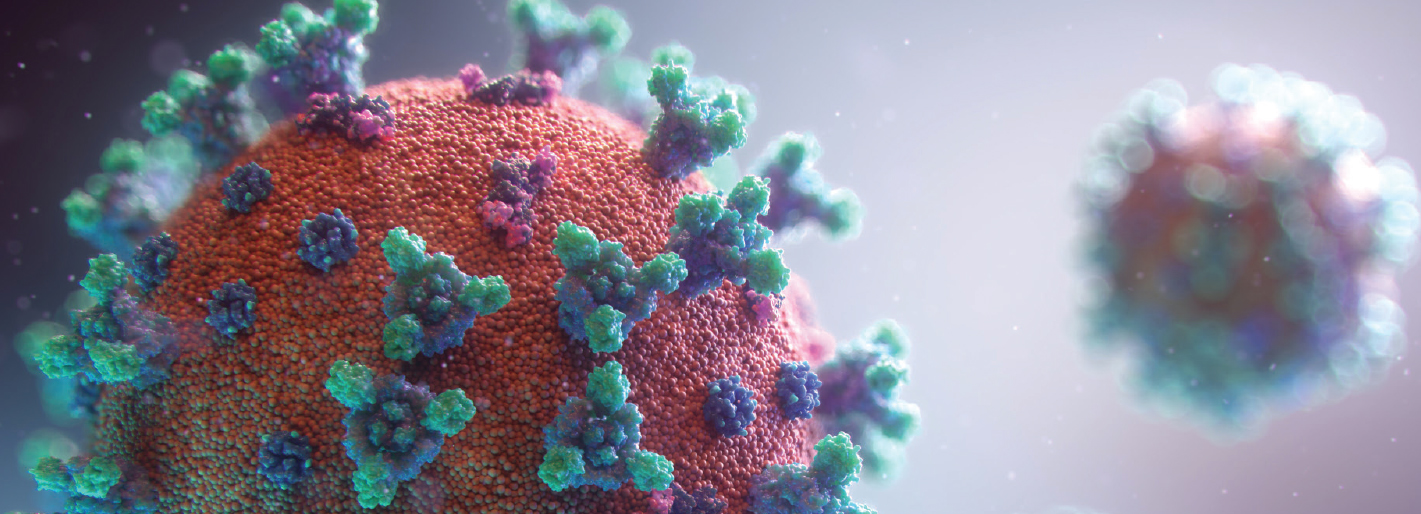
Since the outbreak of the COVID-19 pandemic, Technion researchers have worked to improve testing and diagnosis, curb infection, and increase the effectiveness of vaccines and treatments for coronavirus.
At the very onset of the pandemic, Technion and Rambam Health Care Campus researchers introduced a novel technique to dramatically increase the COVID-19 testing capacity using the “pooling” method of sampling that simultaneously tests dozens of samples. In addition, Technion researchers contributed to the world of facemasks, which had become ubiquitous accessories by March 2020. For example, a nanotech-based antiviral adhesive sticker that’s placed on top of any facemask and upgrades standard surgical masks to protect medical staff. This 3D-printed sticker, dubbed MAYA, makes surgical masks more effective by trapping nanometric particles and neutralizing them. These are just a few of many studies into coronavirus conducted at the Technion at the height of the pandemic.
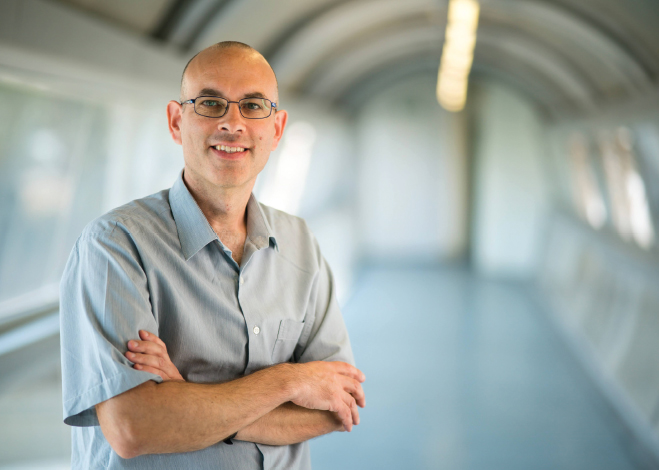
Fast-forward to early 2021, when coronavirus vaccines became available. Since the Technion is known for its industry and research partnerships, it is an ideal source of studies into the effectiveness of COVID-19 vaccines. Prof. Roy Kishony of the Faculty of Biology and the Henry and Marilyn Taub Faculty of Computer Science has been researching the topic along with scientists from the Kahn Sagol Maccabi Research and Innovation Center (KSM).
“Decline in vaccine effectiveness may be affecting the spread of the virus in the community”
One recent study coming out of the longstanding Technion-KSM partnership looked at the effectiveness of the booster vaccine in lowering viral loads. The study found that the effectiveness of the booster vaccine (third dose) in lowering viral loads wanes over 2-4 months, mirroring the rate of waning following the second dose. “These results suggest a significant decrease in the effectiveness of the vaccine against the transmission of the virus, and this decline may be affecting the spread of the virus in the community,” Kishony said.
This was one of several joint Technion-KSM studies that improved our understanding of how the mRNA vaccine works; specifically, if the policy of administering booster shots to prevent infection is indeed effective.
What happens inside a coronavirus patient’s body
In early 2022, a trailblazing Technion study looked into the nature of variants of COVID-19 strains at the individual level. The researchers examined what happens in a patient’s body once infected with a COVID-19 variant, with the goal of developing more effective vaccines and treatments. The study was led by Prof. Yotam Bar-On and doctoral student Dina Khateeb, both from the Ruth and Bruce Rappaport Faculty of Medicine.
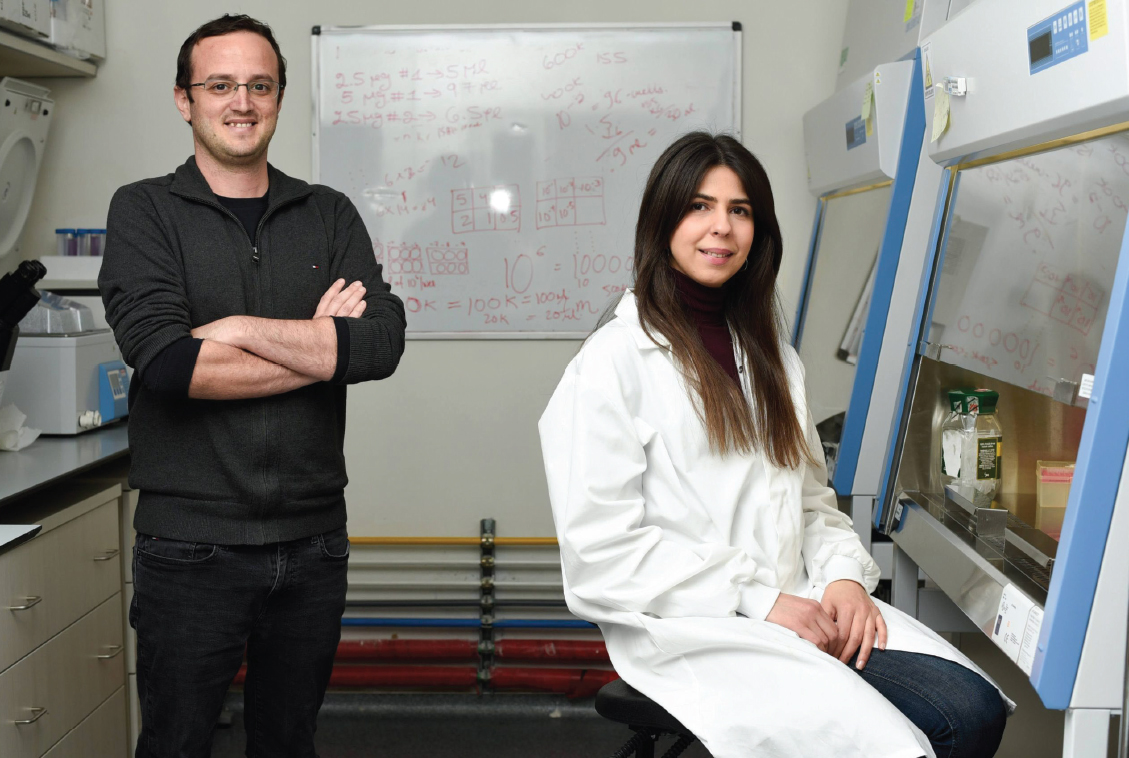
both from the Ruth and Bruce Rappaport Faculty of Medicine
The researchers mapped the genome of an individual COVID-19 variant, comparing it with different variants that had accumulated in the infected patient’s respiratory system; they detected low doses of the virus in the patient’s tissue cells that typically do not show up in other methods. The researchers found that the mutations that develop in the patient’s body produce variants with a relatively low contagiousness capacity, potentially hindering their ability to be transmitted from person to person. The findings significantly contribute to a better understanding of how COVID-19 variants spread and affect certain individuals, enabling more effective treatment with more precise vaccination.
Mitigating future pandemics
One of the ways to achieve such outcomes, is to improve medical decision-making. To this end, the Technion and Rambam Health Care Campus recently formed the Technion-Rambam Center for Artificial Intelligence in Healthcare (CAIH), which will develop advanced artificial intelligence systems to analyze a patient’s condition.
The center will focus on developing tools that will help physicians select, in real time, the most appropriate and accurate medical treatment for a patient. Using AI and machine learning to analyze Big Data and glean the necessary information, the goal is to take medicine from a responsive practice to a predictive and proactive process that can provide more accurate medical care and better outcomes for overall human health, including COVID-19 – as well as the prediction and mitigation of any future pandemic.